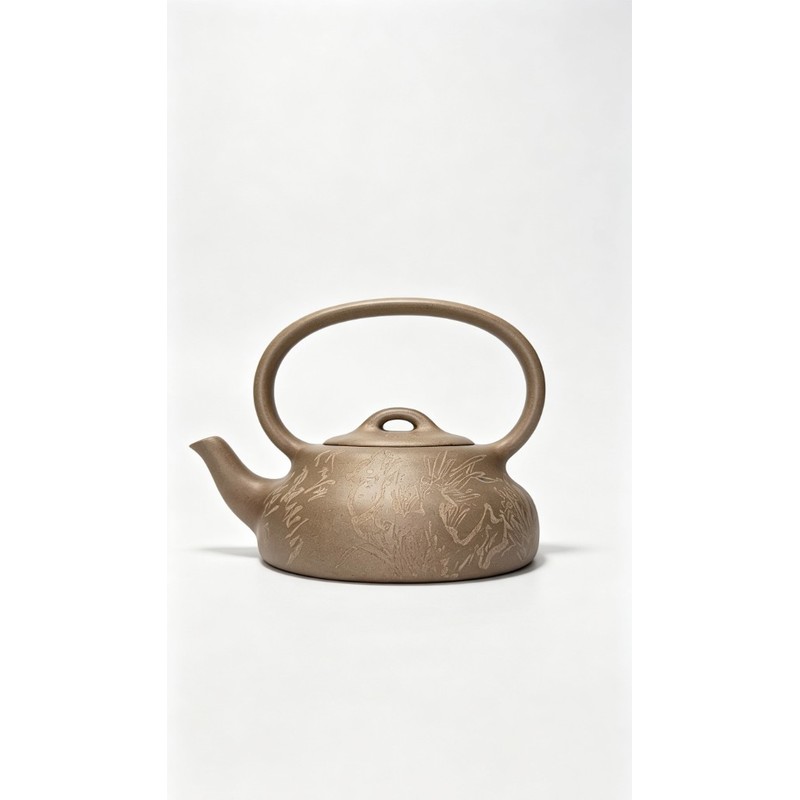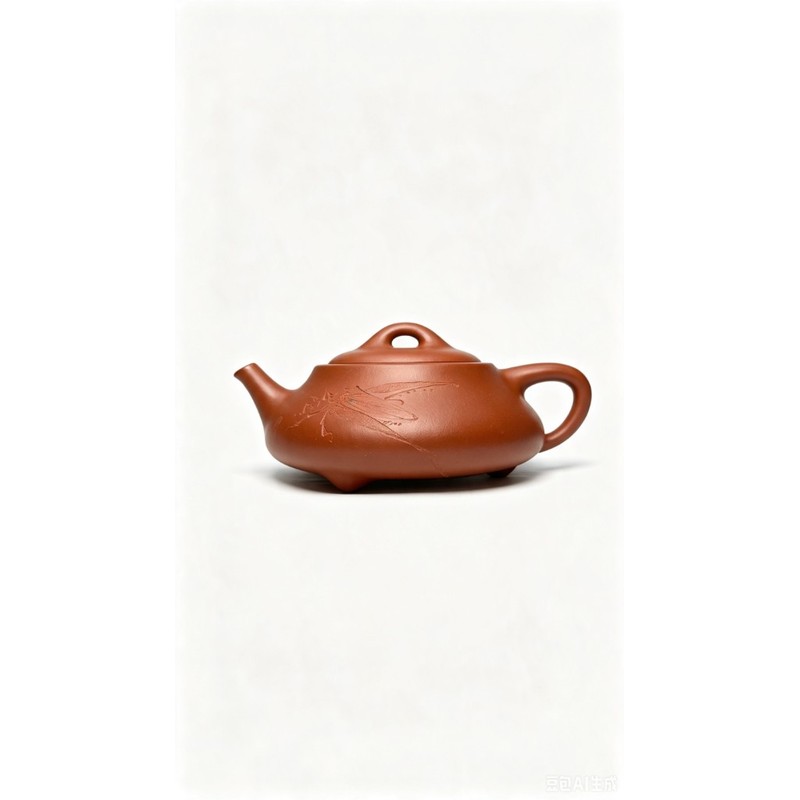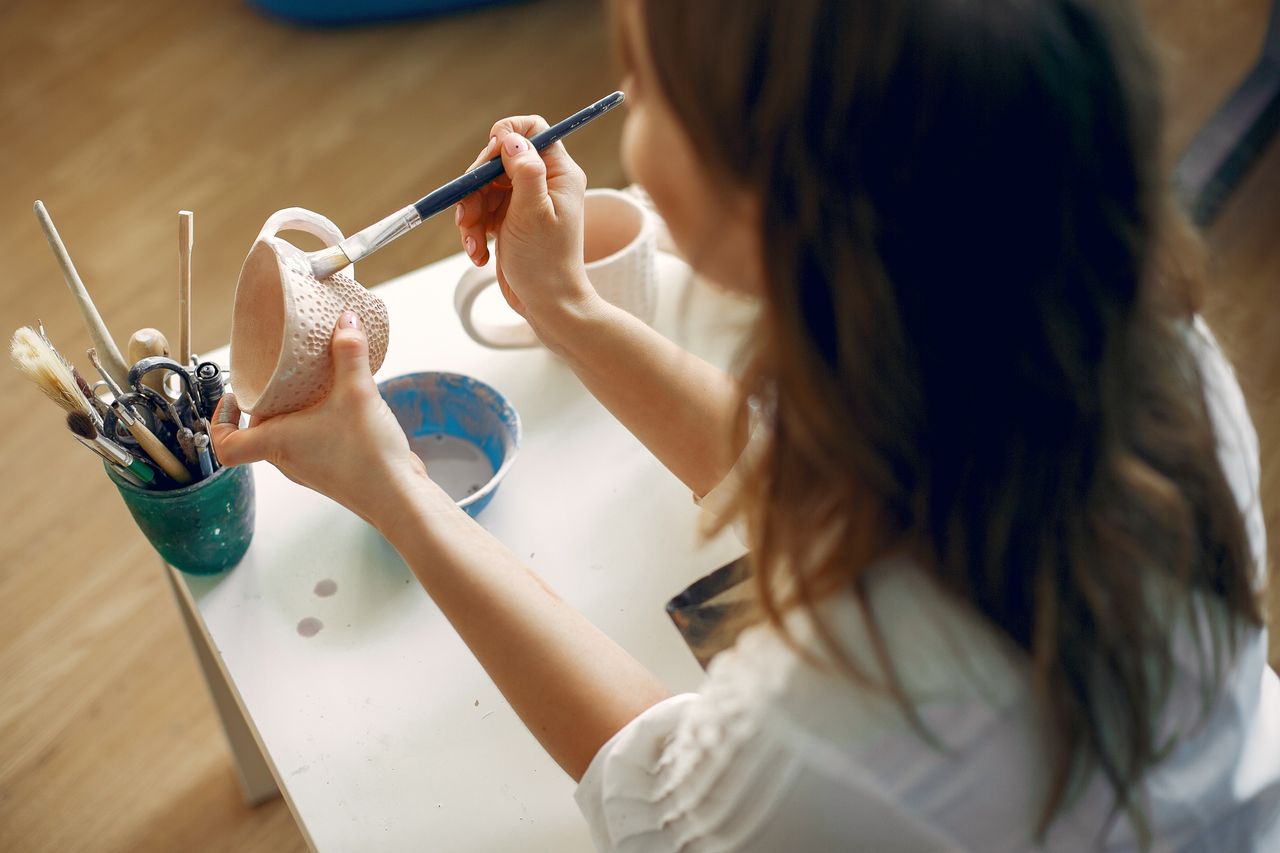
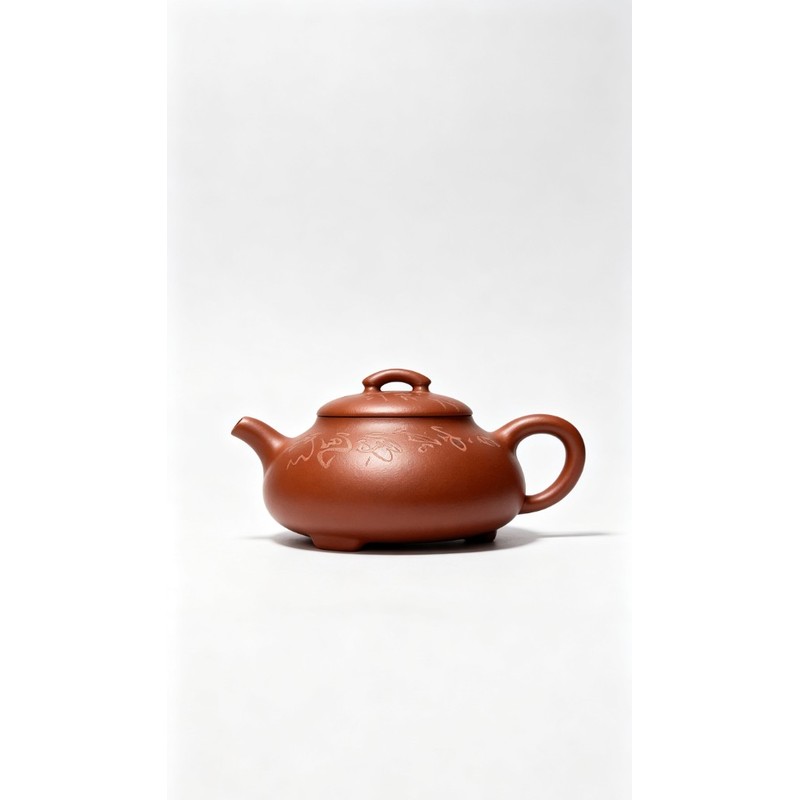
Historic Yixing workshop with rows of handmade Zisha teapots drying on wooden shelves — an image of the living tradition dating back to the Song Dynasty
A Thousand-Year Tradition

The History of Yixing Zisha

The story of Yixing Zisha pottery begins in the Song Dynasty (960–1279 AD), when craftspeople in the Yixing region of Jiangsu Province first discovered that the mineral-rich clay from Huanglongshan — unlike any clay found elsewhere — could be formed into teapots of extraordinary beauty and functional excellence without glaze.

By the Ming Dynasty (1368–1644), Yixing Zisha teapots had become inseparable from the gongfu tea ceremony. Scholar-officials and poets commissioned personalised pots bearing their seal and calligraphy; the names of master potters like Shi Dabin (时大彬) and Chen Hongshou (陈鸿寿) became as celebrated as the literati they served.

The Qing Dynasty saw Yixing teapots travel beyond China's borders — to Japan, South-East Asia, and eventually Europe, where they became prototypes for the early Delft and Meissen red stoneware tradition. By the twentieth century, Yixing pottery had been recognised as an Intangible Cultural Heritage of China, with the title of "Craft Master" (工艺美术师) bestowed by the state to fewer than five hundred living practitioners.

Today, the tradition continues in the workshops of Yixing — still using the same ore, the same hand techniques, the same bamboo tools — while a new generation of artisans brings fresh artistic vision to an ancient form.

Our Philosophy

What We Believe

A teapot is not a product. It is a conversation between the clay, the artisan, the tea, and the person who drinks it.
壶不是商品,而是泥与人、匠与茶之间永恒的对话。

Uncompromising Authenticity

We source only original mine ore, verify each artisan's credentials and lineage, and reject any teapot that shows signs of mold use, chemical treatment, or blended clay.

Fair Partnership

Our artisans set their own prices. We take a fixed logistics margin and never negotiate down. The craftsperson's livelihood must be as sustainable as the clay tradition they carry.

Cultural Stewardship

Part of every sale funds the Dingyuan Apprenticeship Programme, which places young people from Yixing with senior craft masters for three-year residencies — ensuring the next generation can inherit what centuries built.

The Makers

Our Master Artisans

定渊签约匠人

Every teapot in our collection is traceable to a single artisan. Meet the three masters whose work you will find here.

Chen Wei — Senior Craft Master, classic round-form Zisha teapots

Chen Wei

陈伟 Senior Craft Master · 高级工艺美术师

With 38 years at the wheel — or rather, away from it — Chen Wei is renowned for his mastery of the Classic Round and Antique Round forms. He trained under the late Gu Jingzhou's student, and his personal seal is among the most sought-after in Yixing. His pots are held in collections at the Palace Museum and the Victoria & Albert Museum.

Lin Fang — Craft Master, Zisha engraving and geometric forms

Lin Fang

林芳 Craft Master · Engraving Specialist

Lin Fang began learning engraving in her grandmother's workshop at fourteen. Today she is one of fewer than forty women nationwide to hold the Senior Craft Master title. Her signature style merges Song Dynasty landscape sensibility with contemporary negative-space aesthetics — shaped by her parallel practice of ink wash painting.

Zhang Bo — Craft Master, innovative forms in Duanni beige clay

Zhang Bo

张博 Craft Master · Innovative Forms

The youngest of our core artisans at thirty-one, Zhang Bo graduated from the Jiangsu Ceramic Arts Institute before apprenticing under Chen Wei for five years. His work explores the boundary between classic Zisha form and contemporary sculpture — with a particular mastery of Duanni clay, whose pale mineral tones amplify the architectural precision of his vessels.

Get in Touch

Questions? We'd Love to Hear from You

有任何问题,欢迎联系我们

Whether you're looking for a specific style, clay type, or a bespoke commission — our team is here to help you find the perfect teapot.

Contact Us Browse Collection