Engraved Napiao Teapot · Cricket & Cloud Verse

纳瓢鸣虫壶 · 云自无心 · 定一刻绘
$238 / ¥1,680
Weight177 g
Capacity170 cc

Or pay directly with PayPal

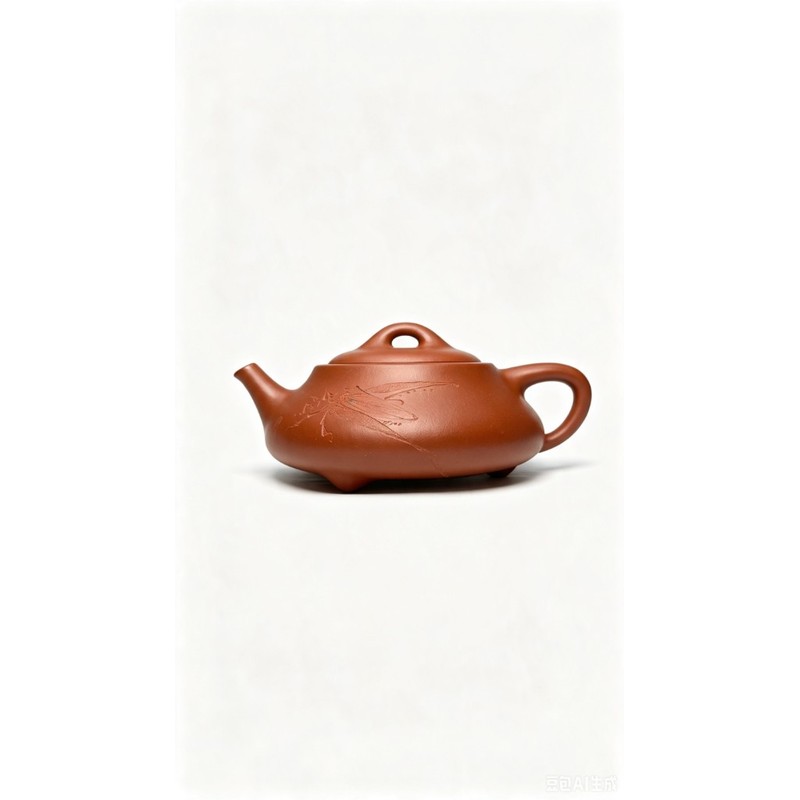
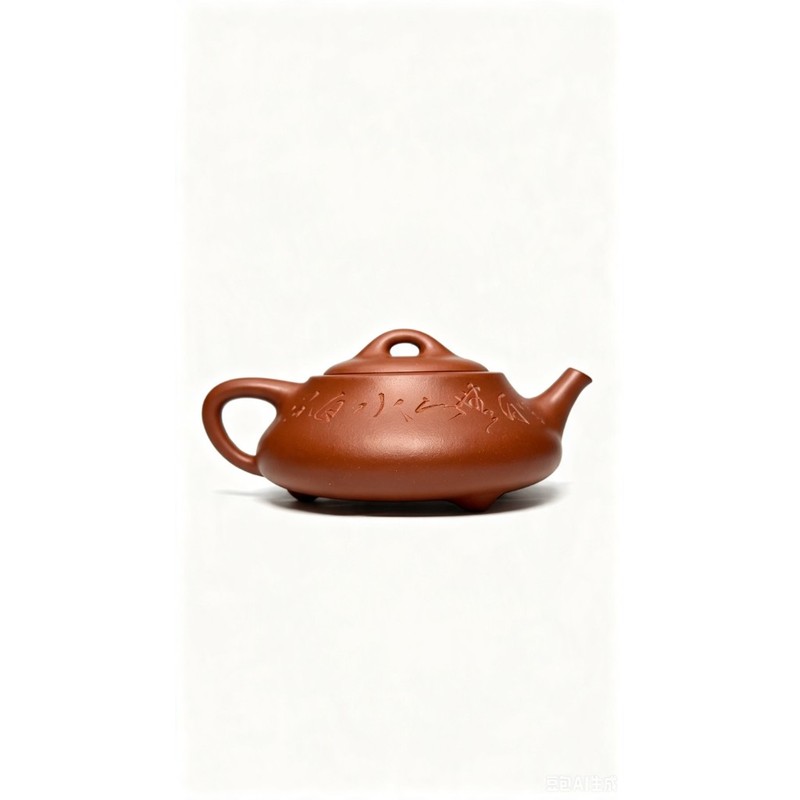
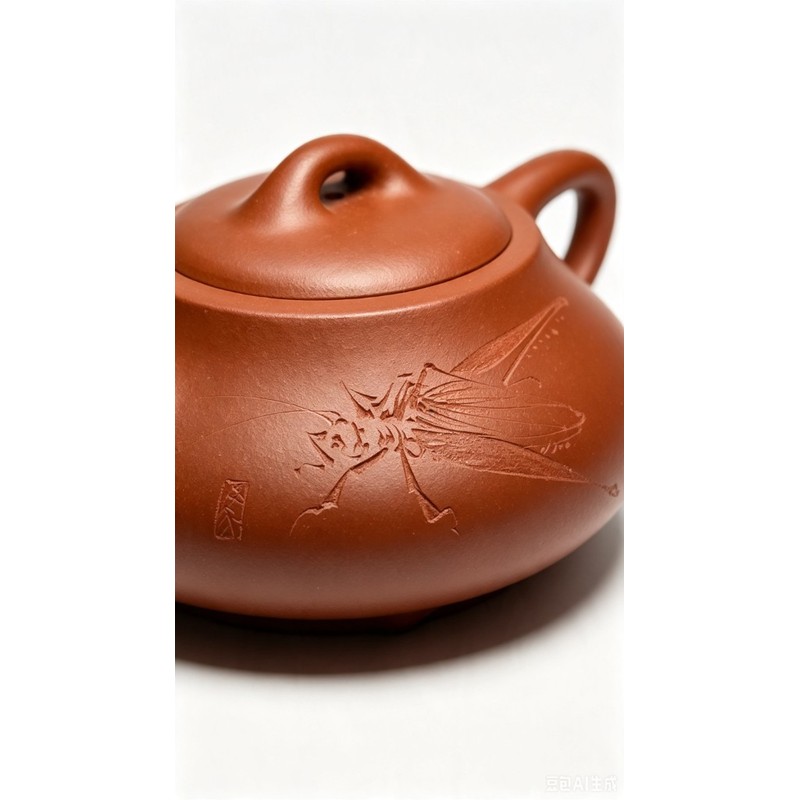
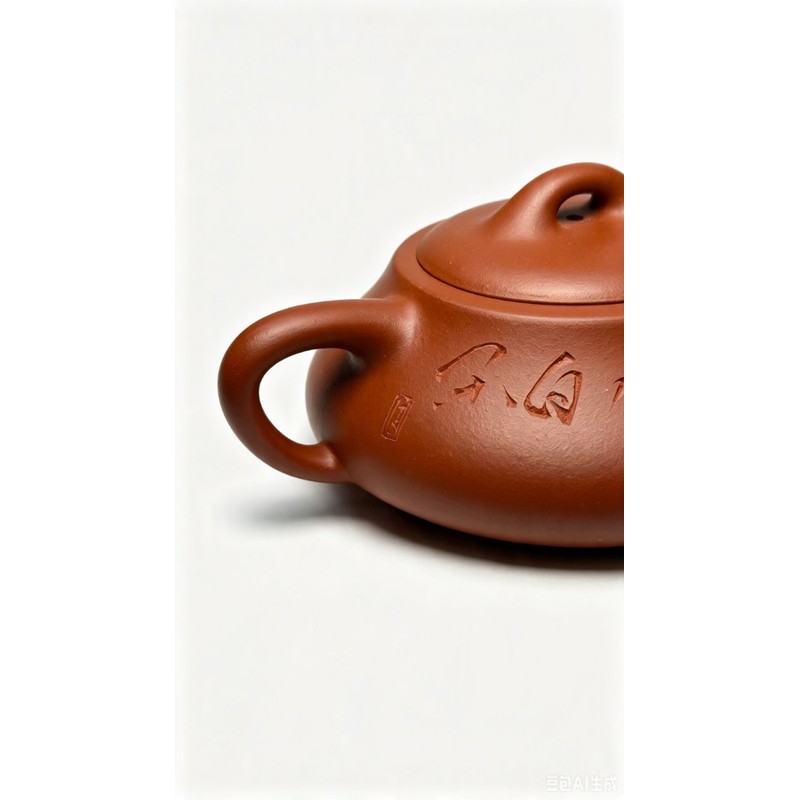
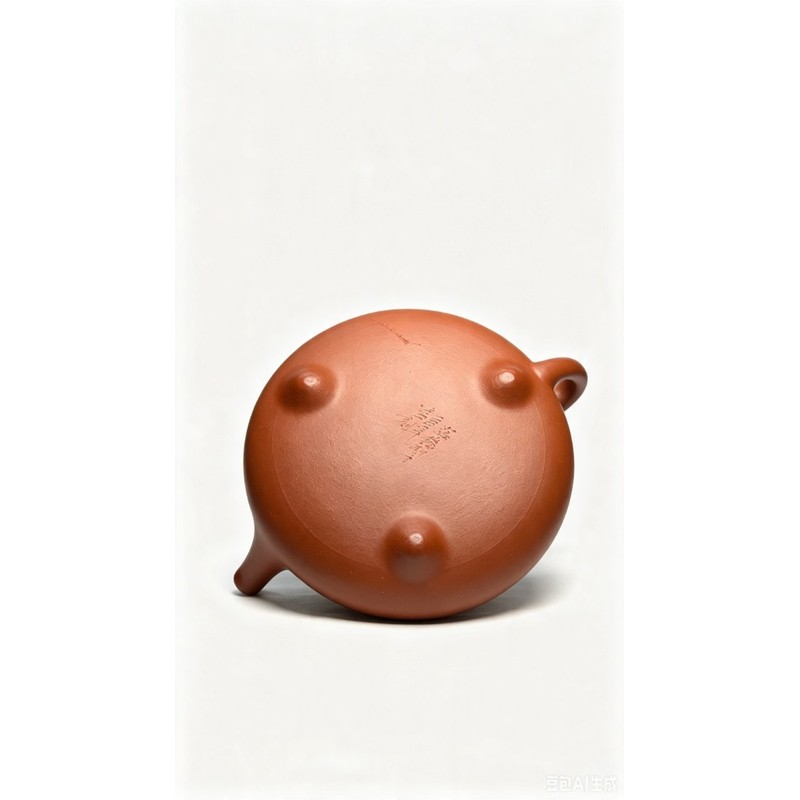
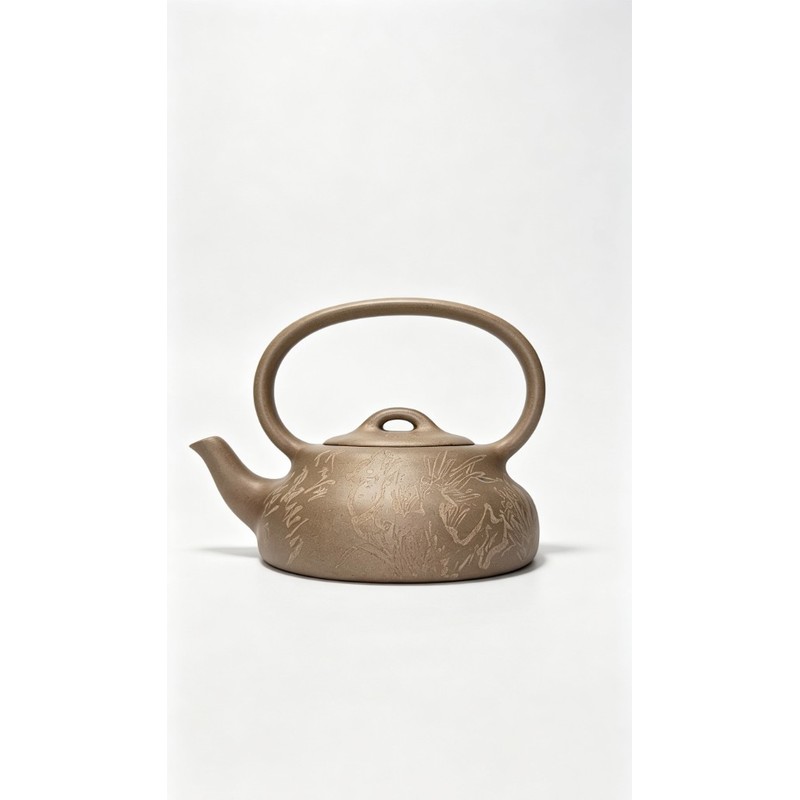
A modified Napiao form in fine Hongni clay by Zhengtang, engraved by Ding Yi. The front bears a shallow cricket carving; the reverse carries running-script verse — "Clouds wander without intent, water rests at ease."

Master Grade · Ships with certificate of authenticity.

About This Teapot

Crafted by Zhengtang and engraved by Ding Yi, this teapot is a refined variation on the classic Napiao (Stone Scoop) form, shaped from fine Hongni clay. The form is expansive yet steady — a tall bridge knob, evenly proportioned three feet, and balanced bone-and-flesh ratio make it one of the most practical traditional Zisha silhouettes.

The body carries two distinct engravings on opposite sides:

  • Front — Cricket motif: A shallow carving of a singing insect, with sharp, agile lines that blend realism and impressionism — refined yet vivid.
  • Reverse — Running-script verse: "云自无心水自闲" (Clouds wander without intent, water rests at ease) — carved with vigorous, clean strokes that evoke a scholarly, leisurely atmosphere.

Painting and calligraphy engraving unite on a single vessel — equally suited to daily tea ceremony and connoisseur collection.

Zisha Clay — 紫砂泥

Our teapots are made exclusively from ore mined at the Huanglongshan deposit in Yixing, Jiangsu Province — the world's only known source of authentic Zisha clay. The ore is crushed, sieved, and aged naturally for at least one year before being worked by hand.

  • Purple Clay (Zini 紫泥): The most classic variety — dark reddish-brown with a fine texture. High iron content promotes even heat distribution and a patina that deepens with use.
  • Red Clay (Hongni 红泥): A lighter, more porous clay that fires to warm terracotta tones. Particularly suited to lighter oolongs and white teas.
  • Beige Clay (Duanni 缎泥): A mixed mineral clay that fires to pale buff or yellow. Its lower density enhances aromatic clarity, ideal for aged puerh and high-fired oolongs.

No colorants, chemicals, or blending clays are ever used. What you see is pure Zisha.

Form & Engraving

  • Potter — Zhengtang (正堂): Shapes the modified Napiao form in fine Hongni clay with bridge knob and symmetrical tripod feet.
  • Engraver — Ding Yi (定一): Carves the cricket motif and running-script verse on opposite sides of the body.
  • Napiao form: A low, wide-bodied classic silhouette prized for heat retention and comfortable handling.
  • Dual-sided engraving: Figurative insect carving on the front, calligraphic verse on the reverse — a literati tradition of pairing image and text.

Caring for Your Zisha Teapot

A well-cared-for Zisha teapot improves with every use — developing a patina called 包浆 (bāo jiāng) that deepens flavour and enriches the clay's lustre over years of tea ceremony.

  • First use (开壶): Simmer the teapot gently in plain water for 30 minutes to open the pores, then brew two or three pots of the tea you intend to dedicate it to — one tea type per pot is the traditional practice.
  • Daily cleaning: Rinse with hot water only. Never use soap, detergent, or dishwasher — chemicals will block the micro-pores and damage the patina irreversibly.
  • Drying: After use, remove the lid and allow both pot and lid to air-dry completely before storage.
  • Polishing: After pouring tea over the exterior, gently buff with a clean soft cloth (茶巾) while still warm to build the patina.
  • Storage: Store uncovered in a dry, ventilated place away from strong odours. Avoid plastic bags or airtight containers.
  • Handling: Zisha is robust but brittle — avoid thermal shock (cold water into a hot pot) and dropping.